Many people buy a few spare filters at once to save time later. But as their stock of spare filters grows, they may start to wonder: Will a filter stop working if it sits in a cabinet for months? And once they install it, how long can they use it before replacing it?
The question “Does a filter have a shelf life?” actually covers two different concerns. First, can an unopened filter deteriorate during storage? Second, how long can a filter last once it starts working? Looking at these questions separately makes things much easier to understand.
1. Will an Unopened Filter Go Bad in Storage?
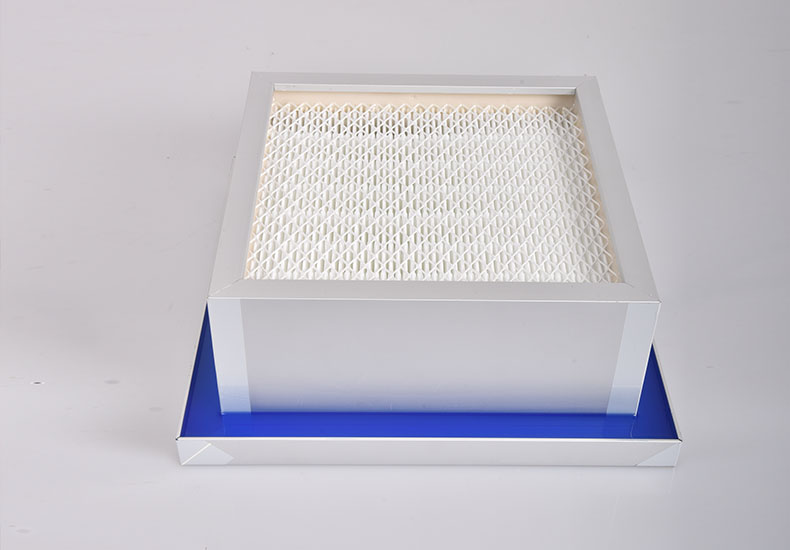
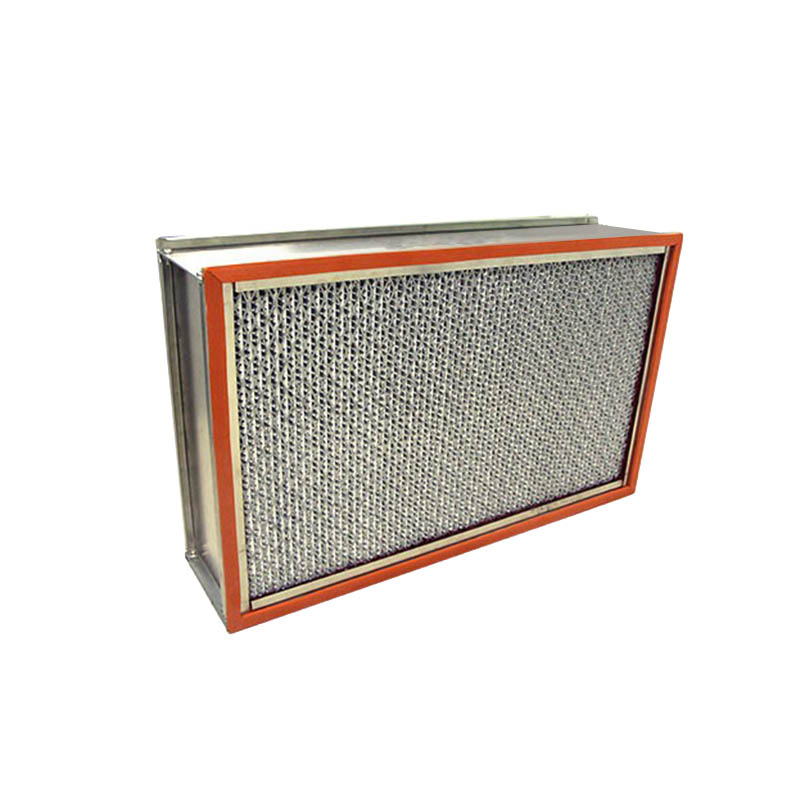
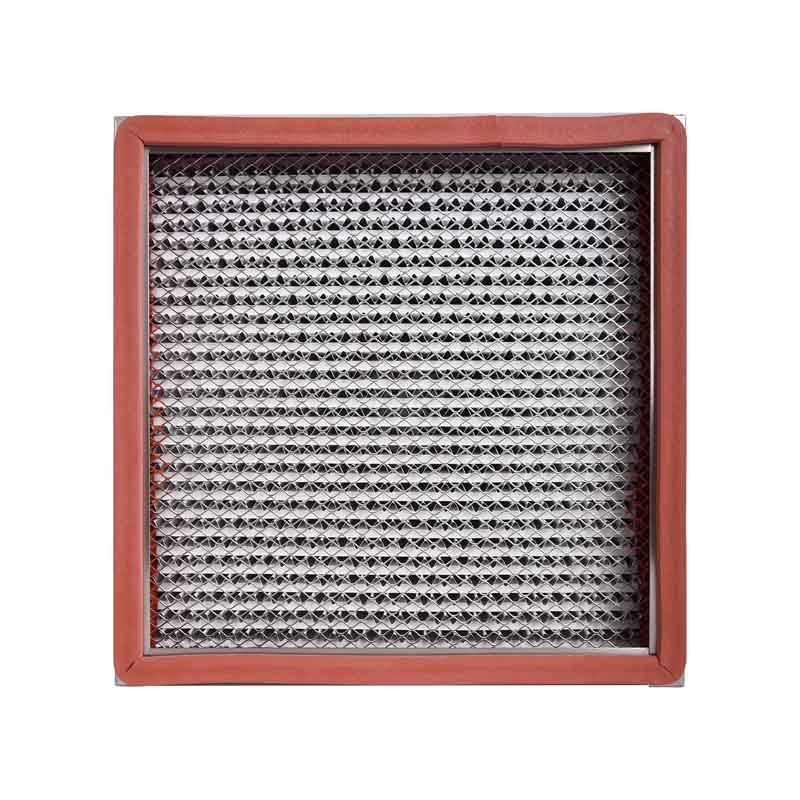
Let’s start with HEPA filters. Most HEPA filters use pleated filter media to capture dust, pollen, PM2.5, and other airborne particles. If you keep the original packaging sealed, short-term storage usually has little effect on filtration performance.
However, time is not the only factor. Storage conditions matter too. Keep filters away from moisture and contaminants, and never place heavy objects on them. A garage or attic can expose filters to damp, hot conditions and wide temperature swings. These conditions may cause the filter media to absorb moisture or deform the filter structure, which can affect performance later.
The best way to store spare filters is simple: keep them in their original packaging, find a cool, dry place indoors, and use the oldest ones first.
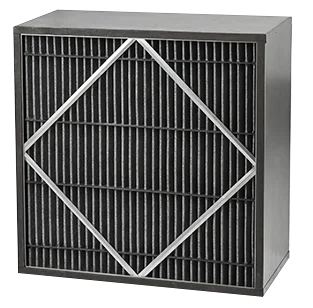
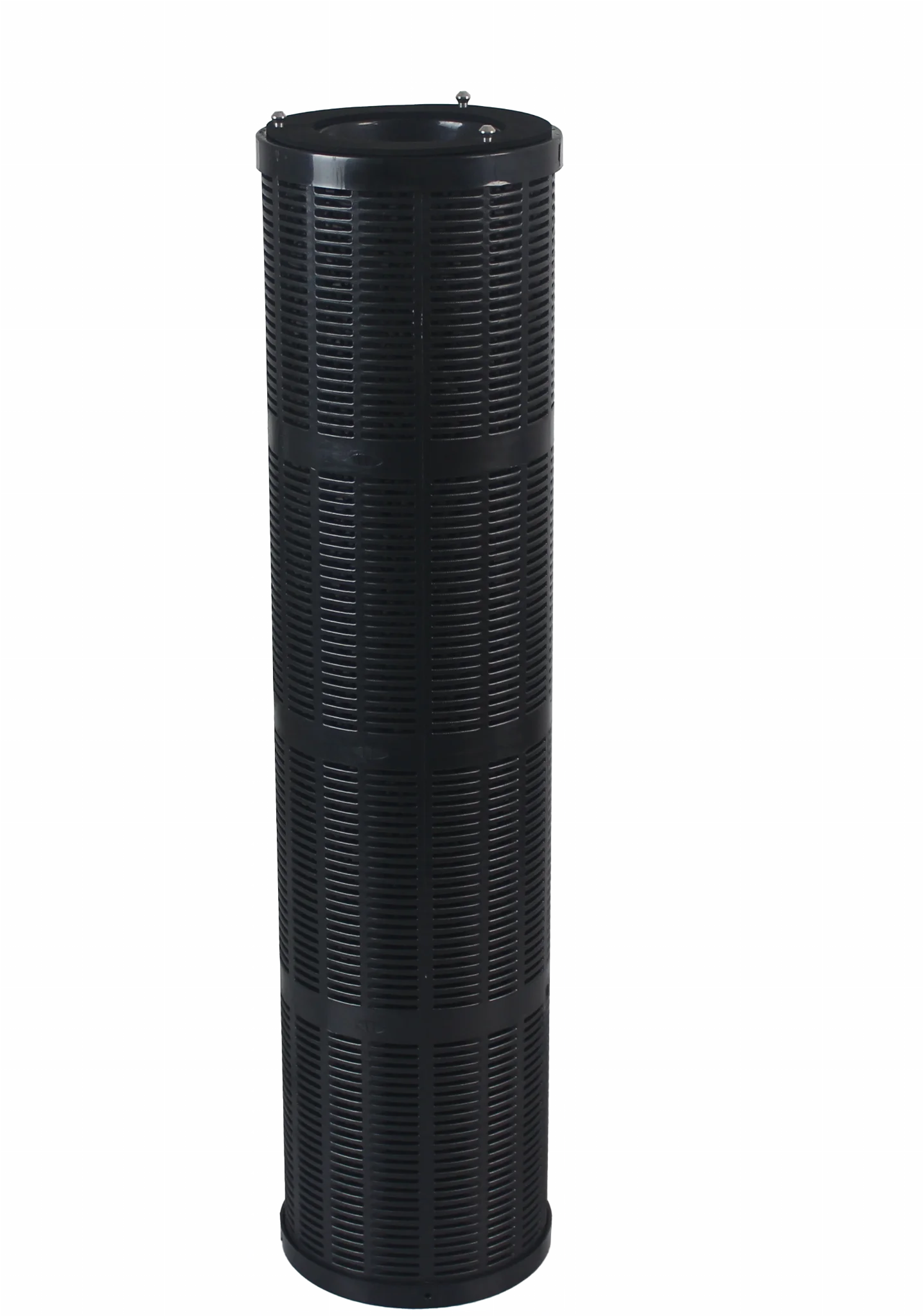
Activated-carbon filters are different. They rely on adsorption, much like a sponge that keeps absorbing substances from its surroundings. Even when you switch off the purifier, the carbon filter may continue to adsorb gaseous pollutants and odors from the surrounding air. If you store it near paint, cleaning products, or perfume, it may absorb some of these substances before you even install it. This means it has already used up part of its adsorption capacity. An opened carbon filter needs even more care, especially if you leave it unsealed for a long time.
The key difference is that HEPA filters mainly capture particles through physical filtration, while activated-carbon filters remove certain gaseous pollutants through adsorption. Each type therefore needs different storage conditions.
2. Once Installed, How Long Does a Filter Last?
There is no fixed answer, such as “six months” or “one year.” One person may need to replace the same filter after six months, while another may find it still works well after a full year. So, what makes the difference?
It mainly depends on how much dirt the filter takes in. China’s national standard GB/T 18801-2022 defines an indicator called CCM (Cumulative Clean Mass). This indicator measures how much target pollutant an entire air purifier can remove under specified test conditions. In simple terms, it measures the total mass of pollutants the purifier removes before its Clean Air Delivery Rate (CADR) drops to 50% of its initial value.
CCM helps us understand how well a purifier continues to remove pollutants over time. However, it does not directly tell us how long an individual filter will last.
People often confuse CCM with another indicator: CADR. CADR measures purification speed, while CCM measures the total amount of pollutants a purifier can remove. One tells us how fast the purifier works; the other tells us how much pollutant it can handle over time.
To understand filter life, think of it as a simple calculation:
The pollutant load a filter can handle ÷ the pollutant load it handles each day ≈ its estimated service life.
You do not need to calculate this yourself. The point is that your environment determines how quickly a filter uses up its capacity. If someone smokes indoors, keeps pets, has recently renovated, or opens the windows every day and lets dust in, the filter has to deal with more pollutants and uses up its filtration or adsorption capacity faster. In a relatively clean home where the purifier runs less often, the same filter may last longer.
So, treat the online recommendation to “replace filters every six months” as a general reference, not a fixed rule. Adjust your replacement schedule according to your home’s actual conditions.
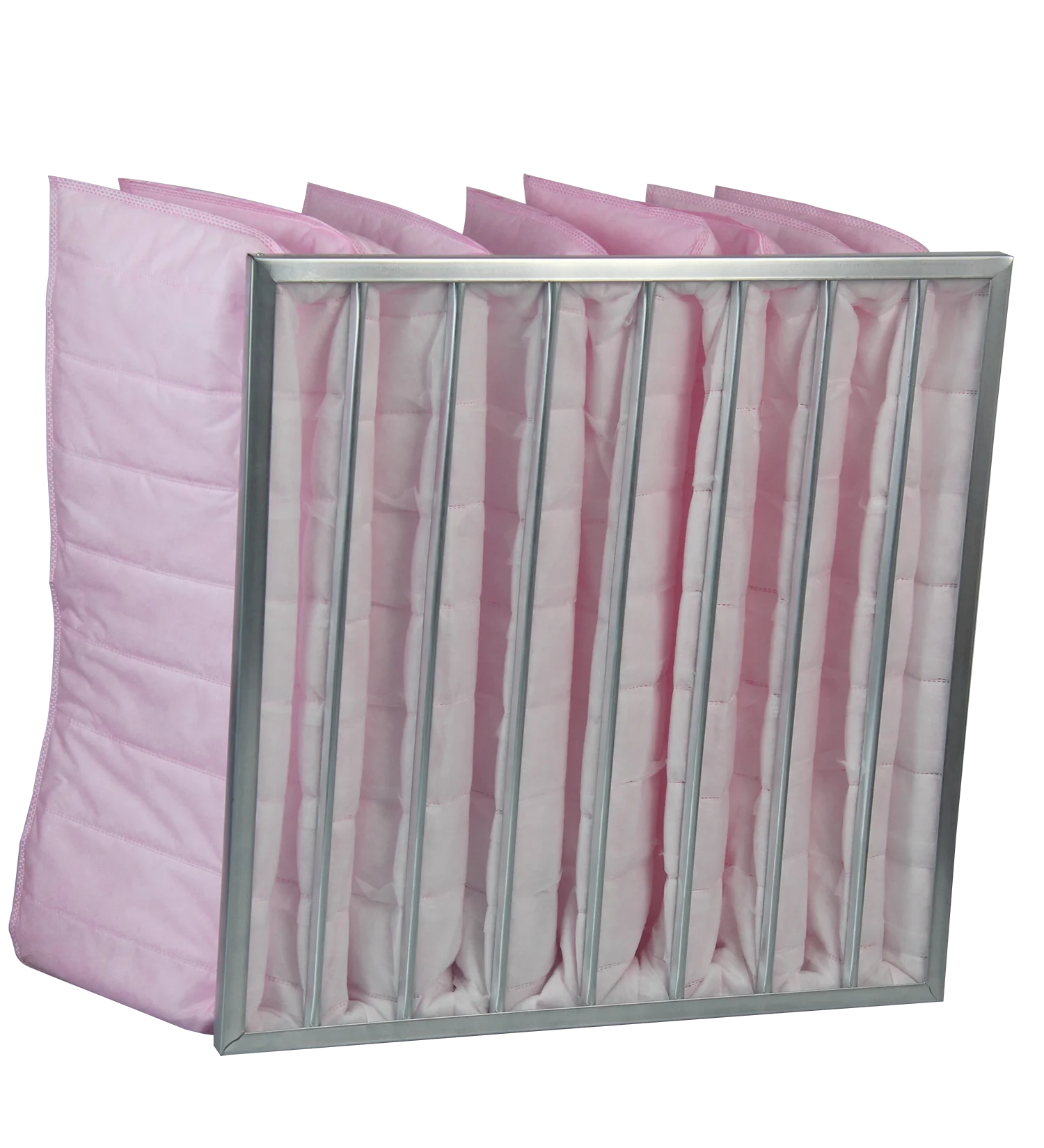
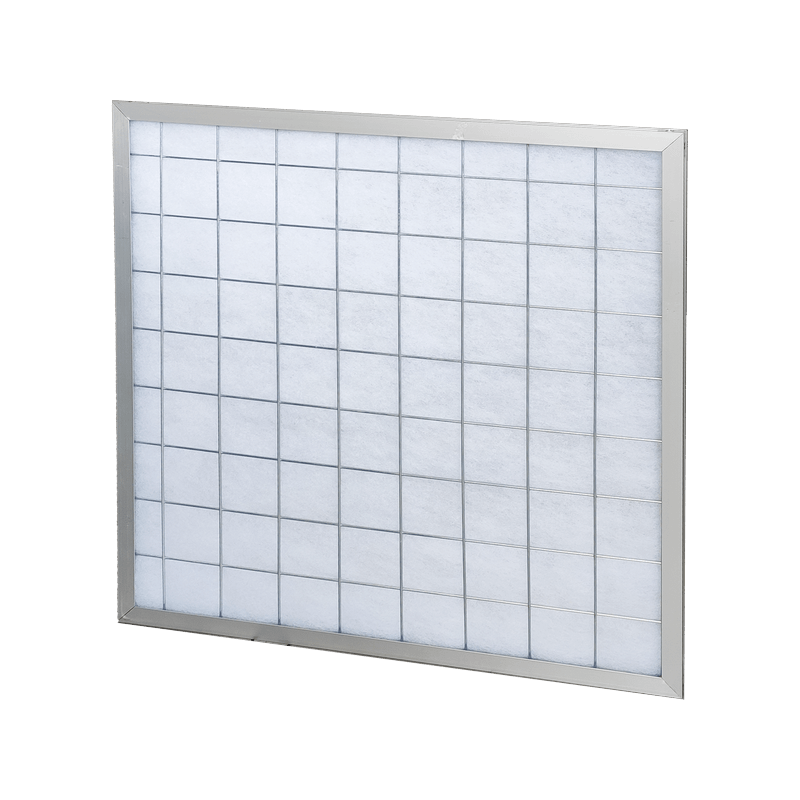
In everyday use, a HEPA filter may last around 6 to 12 months, while an activated-carbon filter may last around 3 to 6 months. The replacement interval for a pre-filter depends on its design. You can regularly clean some washable pre-filters. Always check the product manual and consider how you actually use your purifier. If you use it frequently, keep pets, or have recently renovated your home, pay closer attention to the filter’s condition.
3. What Happens When a Filter Is Used for Too Long?
When you use a filter for too long, it may collect too much dust, become clogged, or lose some of its adsorption capacity. These changes can reduce its purification performance.
Activated-carbon filters may also release some pollutants they have already adsorbed under certain conditions. This process is called “desorption.”
However, an activated-carbon filter does not automatically cause secondary pollution as soon as it reaches adsorption saturation. Temperature, humidity, and the properties of the pollutants all affect how adsorption and desorption occur.
Another common misconception is that putting a filter out in the sun can “recharge” activated carbon. Industrial facilities can restore some of activated carbon’s adsorption capacity through specialized high-temperature regeneration processes. However, household sun-drying cannot achieve the same result.
So, how can you tell whether a filter needs replacing? Start with the product manual and the purifier’s filter replacement indicator. You can also look for visible dust buildup on the filter, persistent odors while the purifier runs, or noticeably weaker airflow at the same fan setting.
Keep in mind that these signs only offer clues. No single sign can confirm that a filter has reached the end of its service life. Replacement indicators also work differently across models. Some purifiers calculate filter life based on operating hours, while others use sensor data.
Conclusion
A filter’s shelf life is less complicated than it may seem. Instead of worrying too much about how long you can store a filter or how many months you can use it, pay closer attention to its condition and the environment in which you store and use it.
After all, a filter’s real value does not depend on how long it sits on a shelf or how many months it stays in your purifier. What matters is whether it continues to deliver the purification performance it should.
With this in mind, you can make a more informed decision the next time you stock up on filters or plan to replace one.