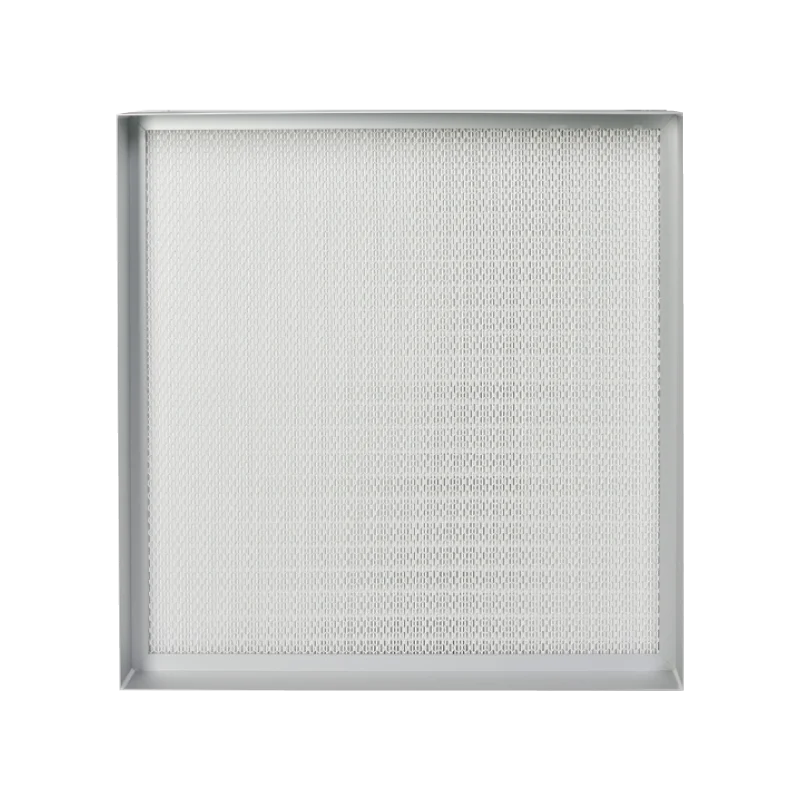
As air filter applications continue to expand, the market is placing higher demands on product performance, manufacturing processes, and customization capabilities. For businesses with bulk purchasing, equipment integration, or OEM/ODM cooperation needs, choosing the right air filter manufacturer requires a comprehensive evaluation of application requirements, manufacturing capabilities, and specific project needs.
This article explores purchasing requirements, supplier evaluation, and manufacturing capabilities to help you identify an air filter manufacturer that best meets your business needs.
1. Air Filter Applications and Current Procurement Trends
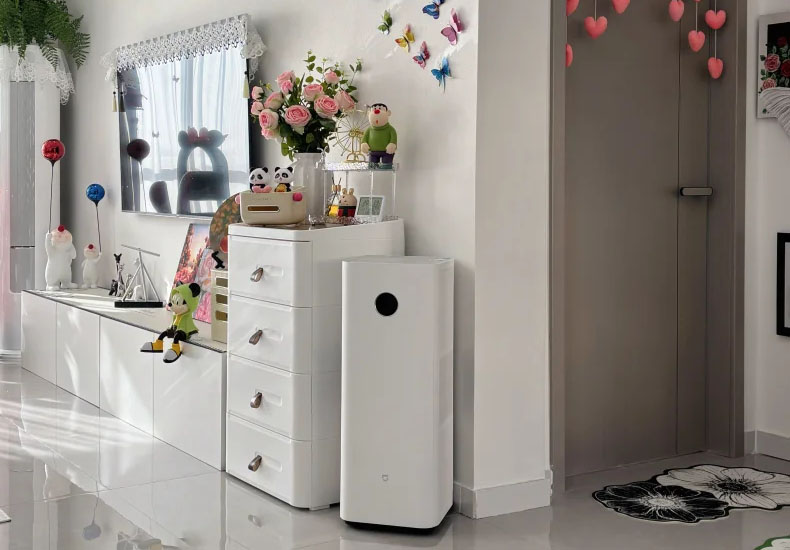
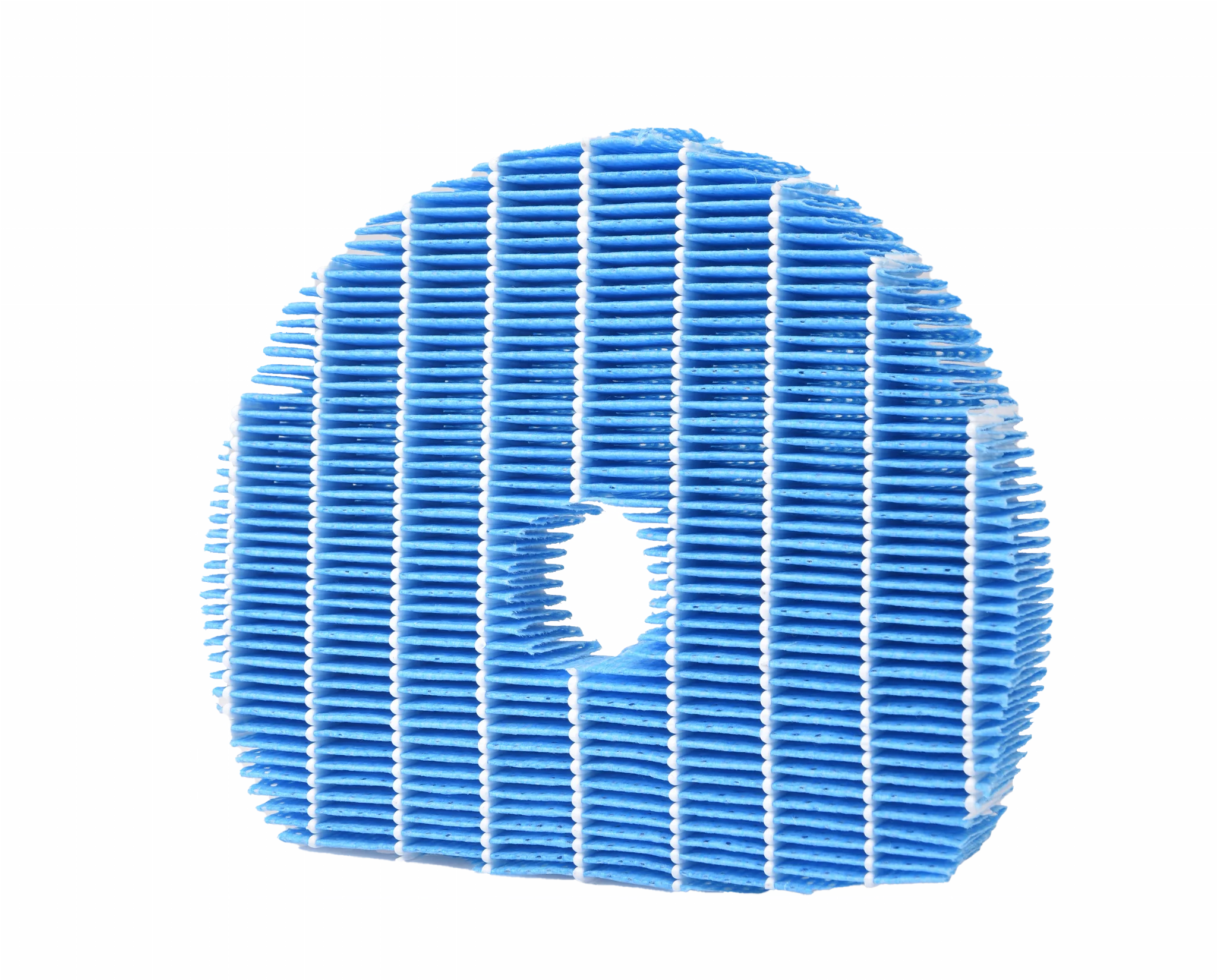
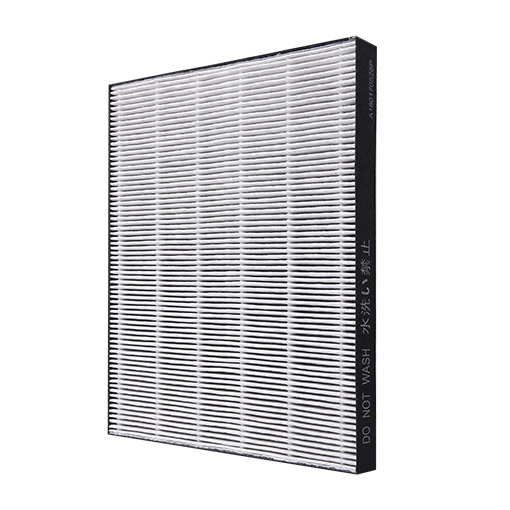
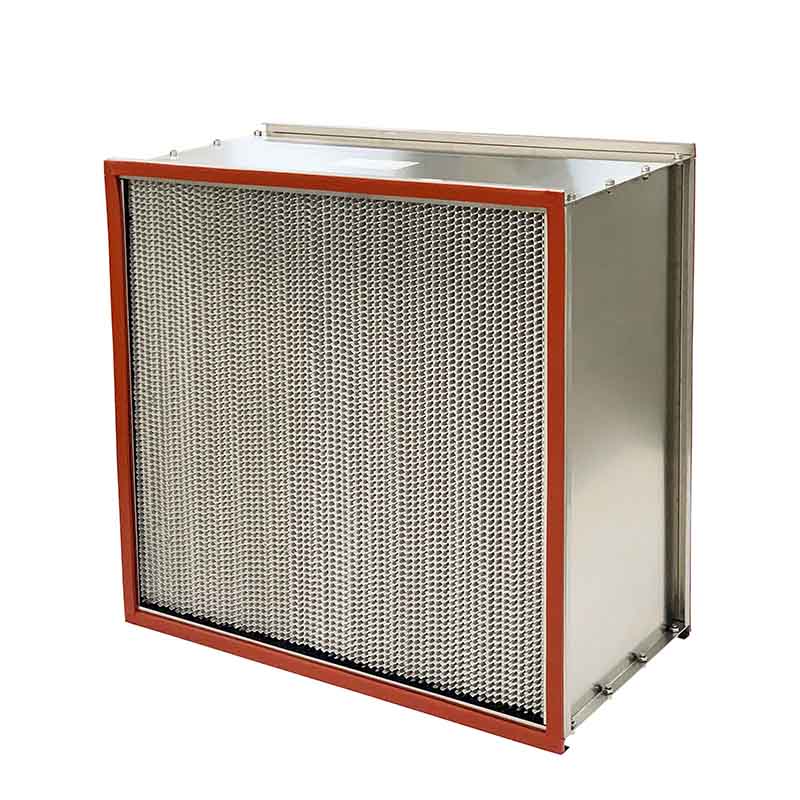
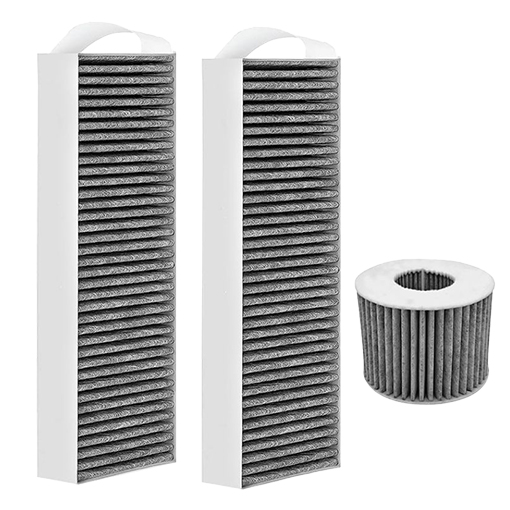
Air filters are widely used in industrial manufacturing, commercial buildings, healthcare facilities, and household appliances. They are essential components of air purification and environmental control systems. Different applications have different requirements for filtration efficiency, product structure, and operating performance.
For example, commercial HVAC systems typically require filters of appropriate grades based on air handling requirements. Electronics manufacturing, pharmaceutical production, and cleanroom environments impose stricter requirements on airborne particle control and filtration performance. Household appliances such as air purifiers and vacuum cleaners, meanwhile, require filters that match the dimensions, structure, and performance specifications of the equipment.
These differences also directly influence procurement methods. Businesses purchasing in bulk often require a consistent supply of products with the same specifications, making batch consistency and delivery schedules important considerations. Equipment manufacturers and engineering project clients may need adjustments to product dimensions, filter media, or filtration efficiency based on equipment design or actual operating conditions. For brand owners and distributors, procurement may also involve private-label product development, sample production, and OEM/ODM manufacturing.
Therefore, air filter procurement is not simply a matter of selecting a product model. Defining the application scenario and actual operating requirements is the foundation for product selection, supplier evaluation, and subsequent cooperation.
2. How to Evaluate an Air Filter Manufacturer
Once procurement requirements have been established, the next step is to assess whether a supplier has the manufacturing and service capabilities to meet them. Three key areas deserve particular attention.
(1) Production Capacity and Order Management
Factory size is not determined solely by facility area or the number of machines. More importantly, its production capacity must be able to meet actual order requirements. For bulk procurement or long-term supply projects, buyers should examine production line configurations, annual output capacity, manufacturing site locations, raw material supply, and order scheduling.
Batch consistency is another important consideration. If filters with the same specifications show significant differences in dimensions, filtration efficiency, or initial pressure drop across different batches, equipment operation and subsequent replacement may be affected. Standardized production processes and reliable order management are therefore equally important.
(2) Product Testing and Quality Management
Air filter performance needs to be verified through appropriate testing. Filtration efficiency indicates a product’s ability to capture target particles, initial pressure drop reflects the resistance encountered as air passes through the filter media, and dust-holding capacity is related to the filter’s service life and maintenance frequency.
When evaluating a supplier, buyers should look beyond product specifications. It is also important to understand whether the manufacturer has the necessary testing equipment, whether it can conduct performance tests such as filtration efficiency, pressure drop, and dust-holding capacity, and whether it can provide test documentation corresponding to specific products.
Quality management system certifications, laboratory accreditation, and third-party test reports can also serve as useful references when assessing a supplier’s quality management capabilities.
(3) Product Range and Customization Capabilities
When procurement involves multiple types of equipment or different application scenarios, the manufacturer’s product range becomes particularly important. In addition to standard filter products, buyers should check whether the manufacturer can supply products with different filter media, filtration grades, and structural designs.
For non-standard requirements, it is also necessary to evaluate the supplier’s product development capabilities. This includes whether it can adjust product dimensions, filter media, and structures according to equipment specifications and operating environments; whether it has the facilities to produce samples and verify performance; and whether it can undertake OEM/ODM projects.
Compared with suppliers that only offer standard models, manufacturers with product development and integrated manufacturing capabilities are better equipped to address complex project requirements.
3. LANSIR: Integrated Capabilities from Product Development to Manufacturing
LANSIR Environmental Technology (Shanghai) Co., Ltd. was founded in 2013. We specialize in air filtration and are primarily engaged in the R&D, manufacturing, and sales of household, commercial, and industrial air filters and air-purification equipment. With a technical R&D team of more than 40 professionals, we operate two major production–R&D bases in Shanghai and Jiangsu.
(1) Manufacturing and Quality Testing
LANSIR operates production facilities covering more than 25,000 square meters, with over 100 processing machines and 8 fully automated filter production lines. Its annual production capacity reaches 2 million filter units, including 1 million units of coarse- and medium-efficiency filters. The company also has a Class 100,000 cleanroom and has obtained ISO 9001, ISO 14001, and ISO 45001 management system certifications.
In terms of testing capabilities, the company established a multifunctional laboratory in 2015. The laboratory is equipped with filter media performance testing duct systems, comprehensive testing equipment, and environmental test chambers of various specifications.
It can conduct tests for graded filtration efficiency, pressure drop and airflow resistance, and dust-holding capacity. It also performs relevant testing for gaseous pollutants such as toluene, butane, nitrogen oxides, and sulfides, and has the capability to conduct CADR (Clean Air Delivery Rate) testing.
The laboratory has obtained CNAS accreditation and holds the relevant qualification for inspection and testing institution certification, providing support for product performance evaluation and quality control.
(2) Product Series for Different Application Scenarios
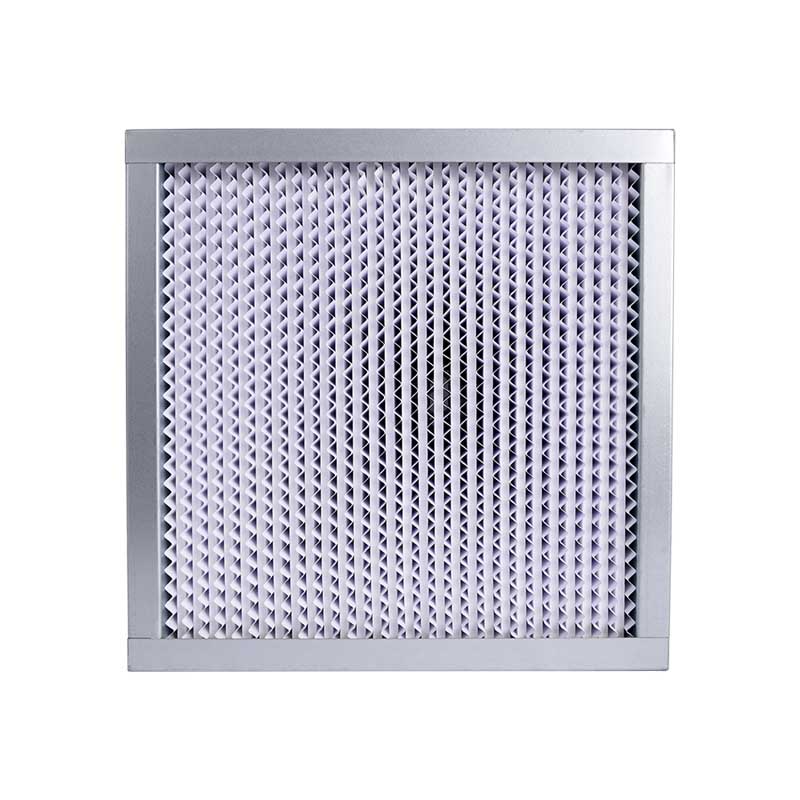
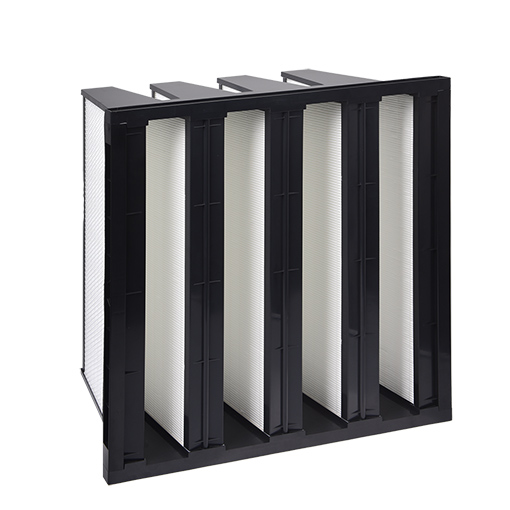
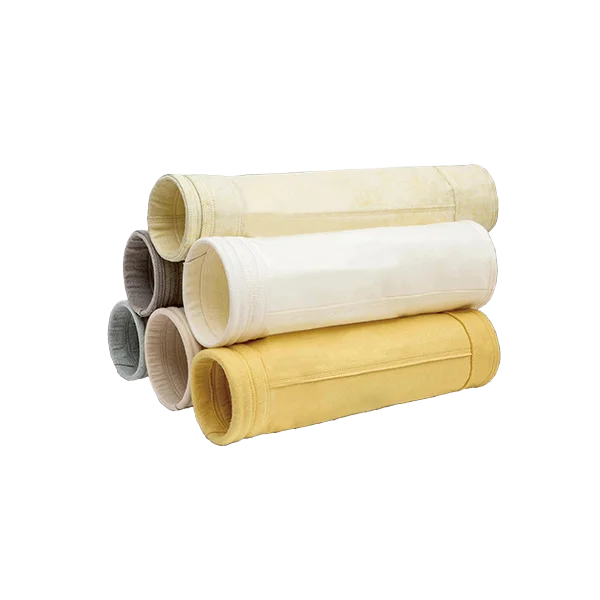
To address different air filtration requirements, LANSIR has developed three major product categories: industrial filtration, chemical filtration, and household air filtration.
- Industrial filtration products: Primarily used in industrial facilities, HVAC systems, and clean environments.
- Chemical filtration products: Designed to address gaseous pollutants and odor control.
- Household air filtration products: Primarily used in household equipment such as air purifiers and vacuum cleaners.
These product series enable the company to serve a range of needs, including industrial air purification, gaseous pollutant control, and household equipment integration.
(3) Customized Products and OEM/ODM Cooperation
For applications where standard models cannot fully meet requirements, LANSIR provides customization support in areas such as filter media selection, product dimensions, filtration performance, and structural design.
For equipment manufacturers, brand owners, and engineering project clients, product development can be carried out according to specific requirements. The process may include initial requirement discussions, solution design, sample production, performance verification, and subsequent mass production.
By aligning product specifications with actual equipment or project requirements, the company provides manufacturing support for equipment integration, branded product development, and non-standard projects.
4. Frequently Asked Questions
Q1: What information should be provided when requesting a quotation or placing a bulk order for air filters?
It is recommended that buyers prepare information such as product type, dimensions and specifications, filtration grade, operating environment, order quantity, and expected delivery date in advance.
If there are special operating conditions or performance requirements, relevant technical parameters, drawings, or existing product samples can also be provided. The more complete the information, the easier it is for the manufacturer to assess product requirements and provide an appropriate quotation.
Q2: What are the typical steps involved in OEM/ODM air filter cooperation?
The process generally includes requirement discussions, product solution confirmation, sample production, performance verification, and mass production.
For projects involving customized branding, both parties should also confirm product specification sheets, packaging design, labeling, and relevant technical documentation in advance to ensure that the products and delivery documents meet the agreed requirements.
Conclusion
Air filter procurement involves multiple considerations, including product selection, technical specifications, and supply arrangements. For businesses with bulk purchasing, equipment integration, or customized product development needs, clear communication of product requirements at an early stage can help reduce selection errors and make subsequent cooperation more efficient.
If you are looking for a supplier for bulk air filter procurement, equipment integration, or OEM/ODM customization, you can share your product specifications, equipment model, operating environment, or project requirements with the LANSIR team.
We will work with you to evaluate your specific needs and provide support with product selection and customized solutions.